

Just under three months have passed since the 2026 Winter Olympics in Milan, yet the controversy surrounding the U.S. figure skating team continues to stir. The American squad entered the Games with high hopes for gold in men’s singles and ice dance, but only the women’s event delivered a top finish. The fallout from those results still lingers.
The life of 2026 Olympic champions: Shaidorov receives apartments, Liu meets Harry Potter
Malinin unexpectedly points fingers for his Olympic collapse
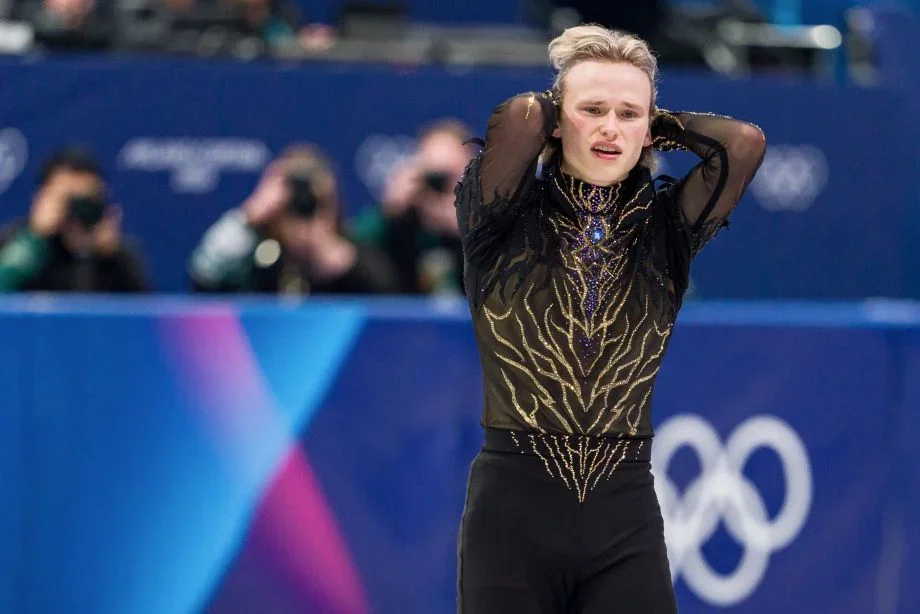
Everyone remembers Ilia Malinin, the overwhelming favorite for men’s singles gold, who completely fell apart in Milan. Despite bookmakers giving him odds as low as 1.05–1.10, the American skater bombed his free program and finished eighth overall. Since then, he has given several interviews reflecting on the loss. In a recent conversation with The Minnesota Star Tribune, Malinin offered a surprising explanation for the first time—naming those he holds responsible for his failure.
Malinin admitted that the media and journalists are to blame for branding him the Olympic champion long before the Games even started. On the surface, this makes sense given his 14 consecutive victories in all competitions going into Milan. But according to the skater, that narrative placed additional pressure on him—pressure he ultimately couldn’t handle. While this reasoning is understandable, the questions still fall on him. Historically, every Olympic champion in figure skating has possessed exceptional mental fortitude. Someone who planned to chase gold in 2026 should have prepared for that reality.
“You’ve openly said you weren’t mentally ready for the Olympics. What do you think people don’t understand about the pressure at that level?”
“Some of my friends and family told me to treat the Olympics like any other competition. I tried to do that, but it’s completely different, and I should have been better prepared. In the end, a lot of people basically used me to get attention—they tried to build me up as the top gold contender. That was wrong.”
Malinin also stated that excessive attention from both the media and, apparently, members of his own team prevented him from focusing on preparation. In Milan, he became less of an athlete and more of a media personality. Even before the individual event, he gave numerous interviews, became a Coca-Cola ambassador, collaborated with the brand, spent time with Snoop Dogg, and refused to train with his warm-up groups, instead traveling to a separate rink about 1.5 hours from Milan that was rented just for him. According to Malinin, all of this affected his Olympic performance.
“Do you think the hype around you was artificially inflated and unfair?”
“I had to do things I didn’t really want to do. There was a lot of media. They pushed me toward what was good for television. They used my visibility instead of letting athletes perform in the moment, putting extra pressure on them.”
Given how frequently Malinin gives interviews like this, it seems he still hasn’t fully processed what happened in Milan. It remains to be seen how much time he needs for that—and whether it will lead him to skip the next season, as rumors suggest. We’ll find out soon enough.
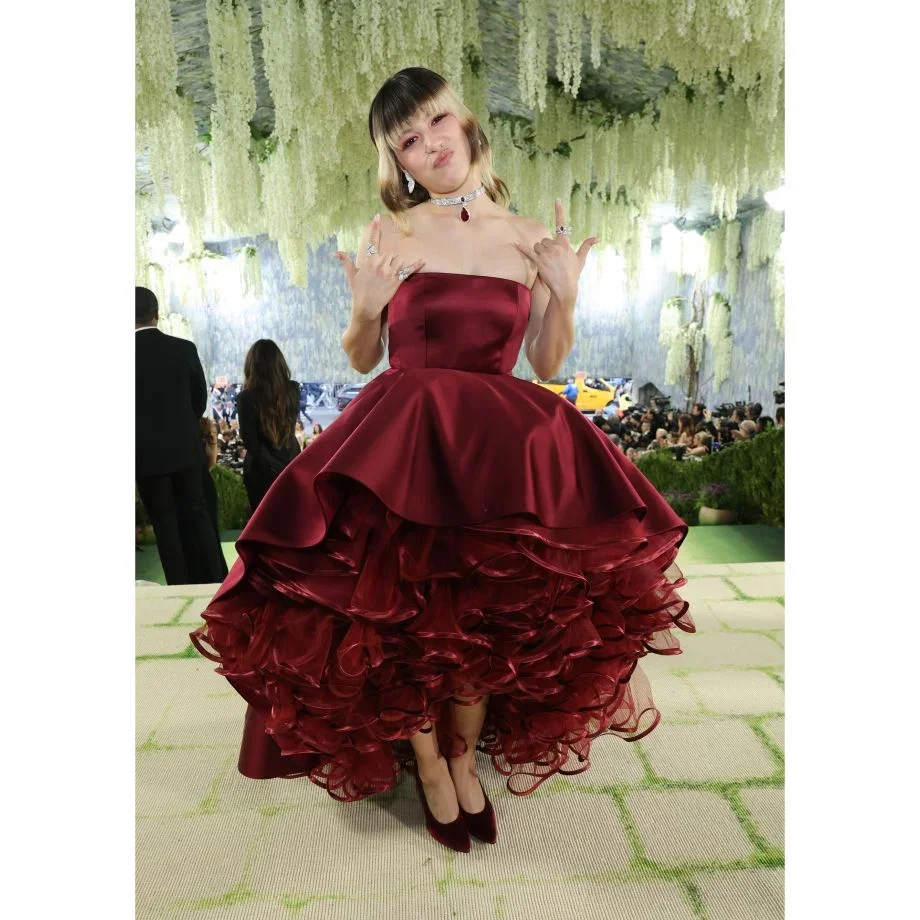
Meanwhile, the life Malinin imagined for himself after Milan is exactly what Alysa Liu is now living—a skater few expected to reach this level. The two-time Olympian (and current world champion) has inked multi-million-euro deals, attended the Met Gala, and officially become a Louis Vuitton ambassador, while also gracing the red carpets of major global events.
