

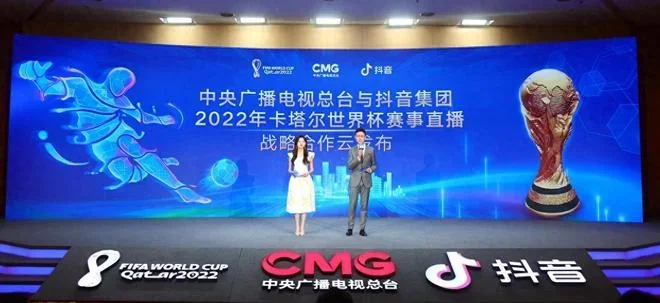
With just one month until the 2026 FIFA World Cup kicks off across the United States, Canada, and Mexico, most countries have already secured broadcast rights. China remains a glaring exception. FIFA, growing increasingly anxious, has slashed its initial asking price by half, dropping from $250–300 million to $120–150 million for the single tournament. Yet CCTV remains unmoved, refusing to pay.
The standoff stems from FIFA’s original demand of $250–300 million (approximately RMB 1.8–2.1 billion), more than double the per-tournament average for the previous World Cup. FIFA justified the hike by citing the expanded 48-team, 104-match format over 40 days, and classified China as a top-tier market alongside the U.S. and UK. However, CCTV’s budget is estimated at just $60–80 million, creating a vast gap from the start.

As the tournament approaches, FIFA has gradually lowered its offer to $120–150 million—a 50% discount—but CCTV still refuses. Key reasons include:
– **Time zone disadvantage**: Most matches air between 2 a.m. and 10 a.m. Beijing time, severely limiting live viewership and ad revenue.
– **Lack of home team**: China’s men’s team has failed to qualify for six consecutive World Cups, reducing fan engagement.
– **Price discrimination**: FIFA offered India a two-tournament package for just $35 million (single edition $17.5 million), while Japan and South Korea—both World Cup participants—paid around $200 million and $125 million per edition respectively.
CCTV’s caution is understandable. During the 2022 Qatar World Cup, despite favorable time zones, ad revenue of about RMB 5 billion barely covered costs after expenses. With compressed advertising time and unfavorable scheduling, profitability is unlikely this time.
FIFA is now planning to send senior executives to Beijing for face-to-face negotiations. Both sides have much to lose: China contributed nearly 50% of global digital viewing time during the 2022 World Cup, and four Chinese sponsors have invested close to $500 million. Without an official broadcast channel, these investments lose domestic exposure.
The outcome of this standoff will likely reshape pricing models for international sports events in China. For now, CCTV insists on a fair market price, and FIFA must decide whether to further compromise or risk losing the world’s largest viewing audience.
